GPS Tracking

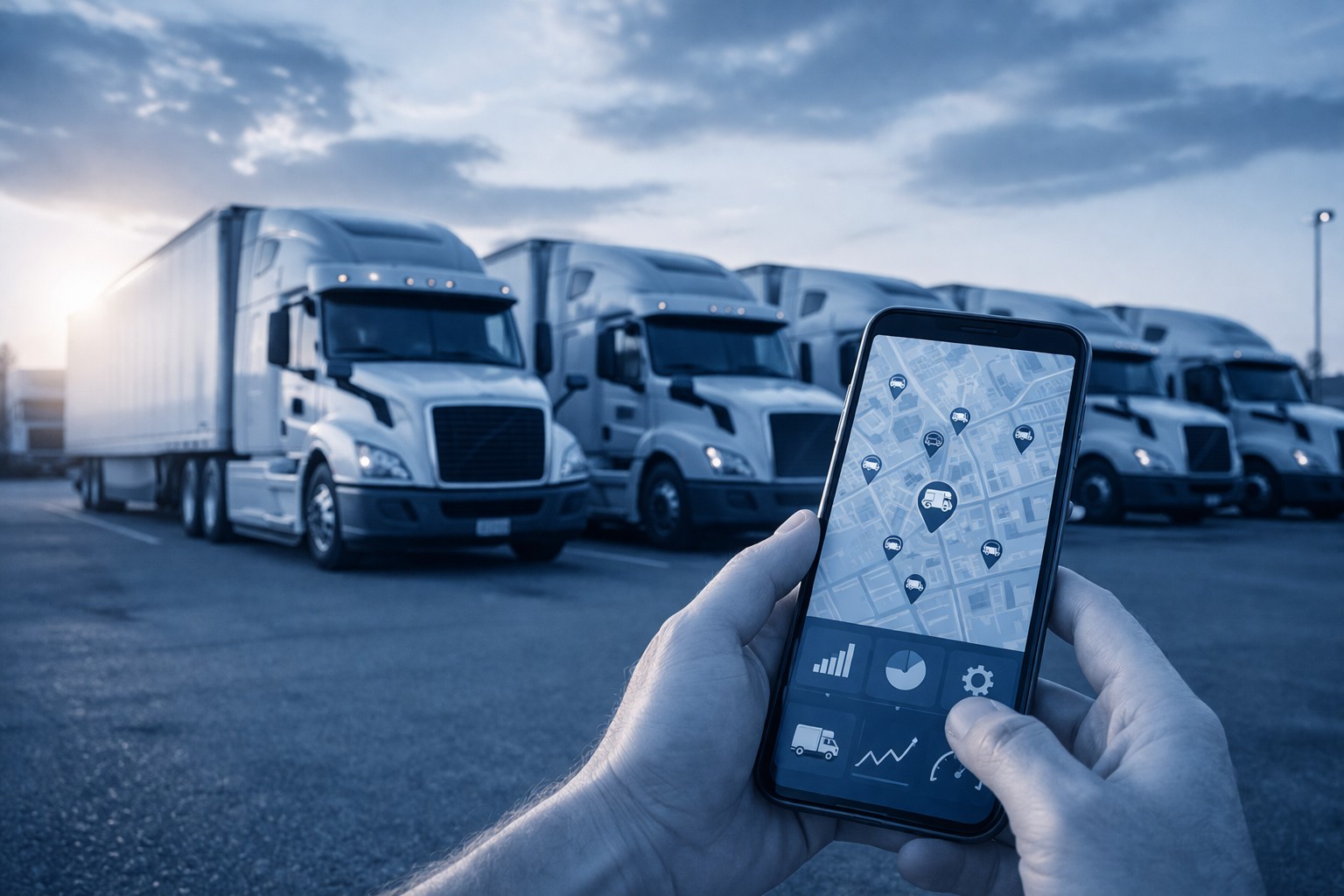
GPS vehicle tracking and fleet management system displayed on smartphone with fleet of trucks in background under blue overlay
How GPS vehicle tracking and fleet management help businesses improve visibility, reduce costs, monitor drivers, and manage operations.
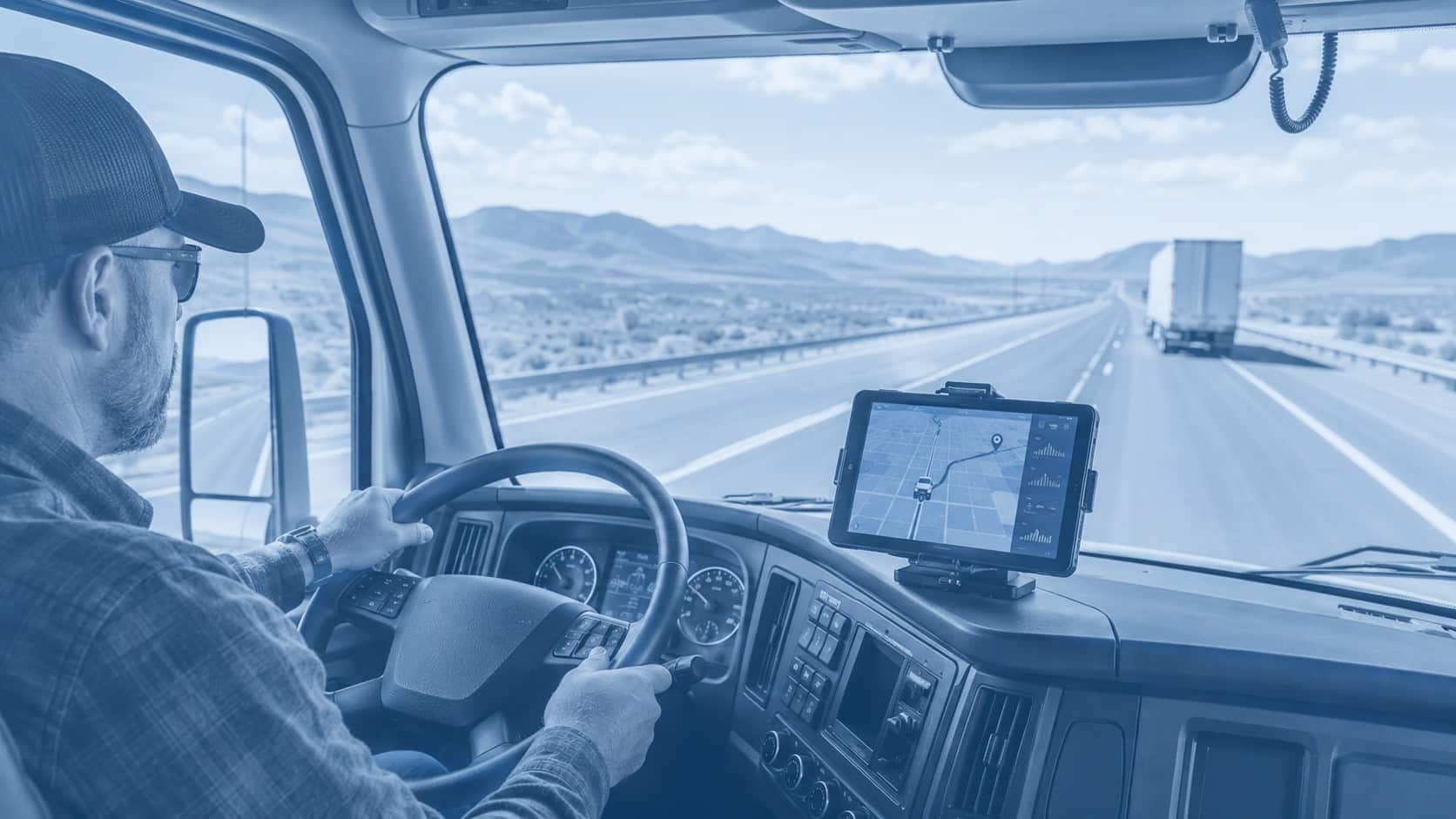
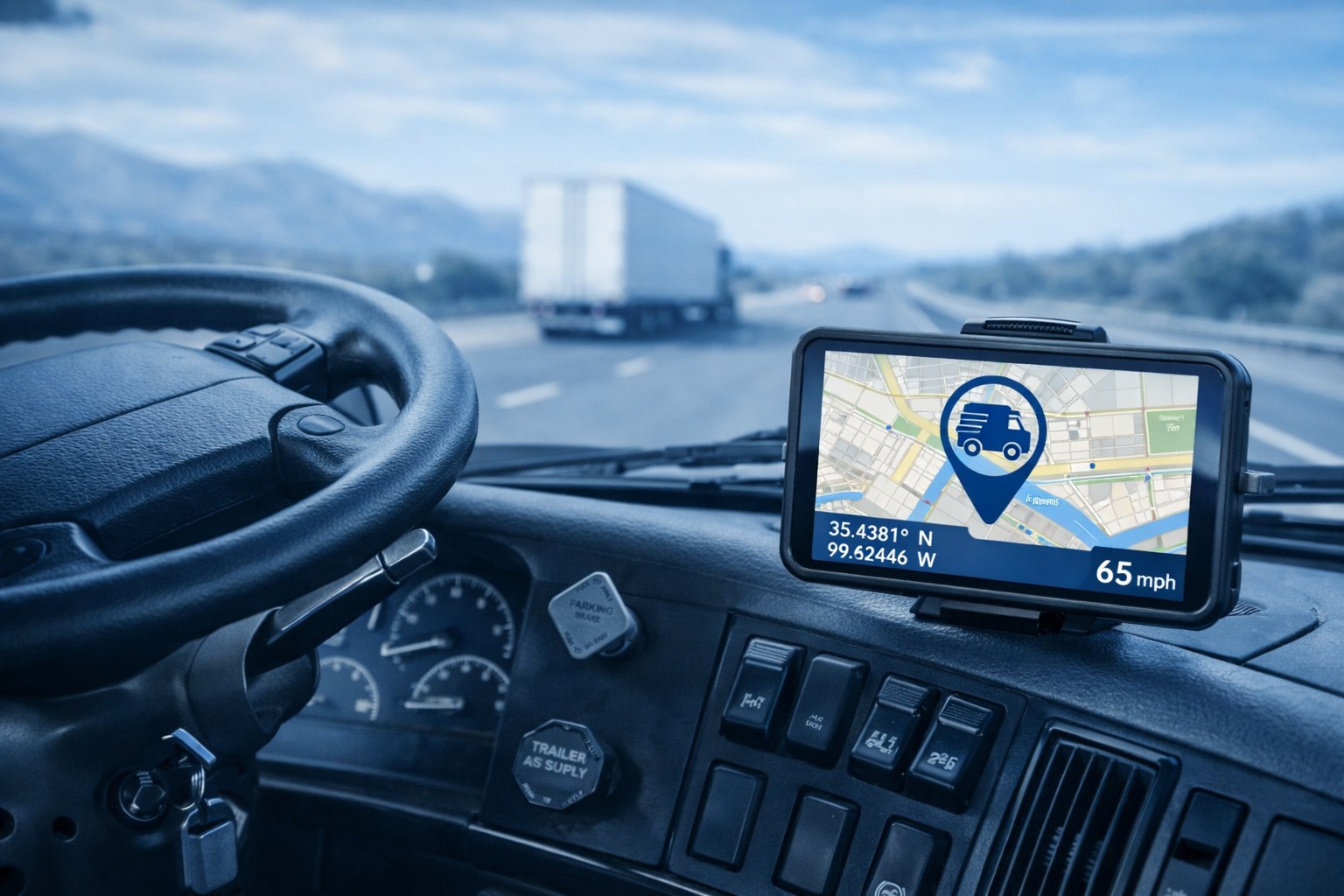
Truck dashboard with GPS fleet tracking device showing route and live location on a blue toned highway scene
Learn what fleet tracking cost includes, how much fleets pay per vehicle, and what features affect pricing before you choose a system.
Hands holding smartphone with truck GPS locator tracking app open, showing live location coordinates and map interface in front of laptop
A GPS trailer tracker turns guesswork into clear decisions. You stop calling drivers for updates. You stop walking yards with clipboards. You stop losing hours to “Where is that trailer?” chaos. You get real-timetracking, clear location updates, and instant alerts. These alerts tell you when a trailer moves, stops, or crosses a boundary you set.
Aerial view of a long highway bridge over water at sunset with GPS TRACKING text overlay
You work hard to keep every trailer moving and earning. A gps trailer tracker gives you the visibility to do it. With a small GPS tracking device for trailers, you get real-time location updates, geofence alerts, and usage data.
Why Every Trucking Fleet Needs Real-Time GPS Tracking in 2025
In the fast-paced world of trucking, keeping tabs on your vehicles is no longer a luxury—it’s a must. The days of phoning drivers for updates and hoping for the best are gone. Today’s fleets rely on real-time GPS fleet trackers to stay competitive, keep costs down, and deliver on customer promises. But why is real-time fleet tracking more important than ever in 2025? Let’s break it down.