Running a fleet without clear visibility creates problems fast. A dispatcher may not know where a truck is. A manager may miss delays until a customer calls.
Fuel costs can rise without a clear reason. Maintenance can slip through the cracks. Over time, small problems turn into expensive ones.
GPS vehicle tracking and fleet management fix this issue. They give businesses a real-time view of vehicles, drivers, routes, and daily operations. Instead of guessing, you get usable data. That data helps you make better decisions, control costs, and improve service.
For companies in trucking, delivery, service, construction, and field operations, that kind of control matters. You do not just want dots on a map. You want a system that helps you protect assets, improve dispatch, reduce waste, and keep the business moving.
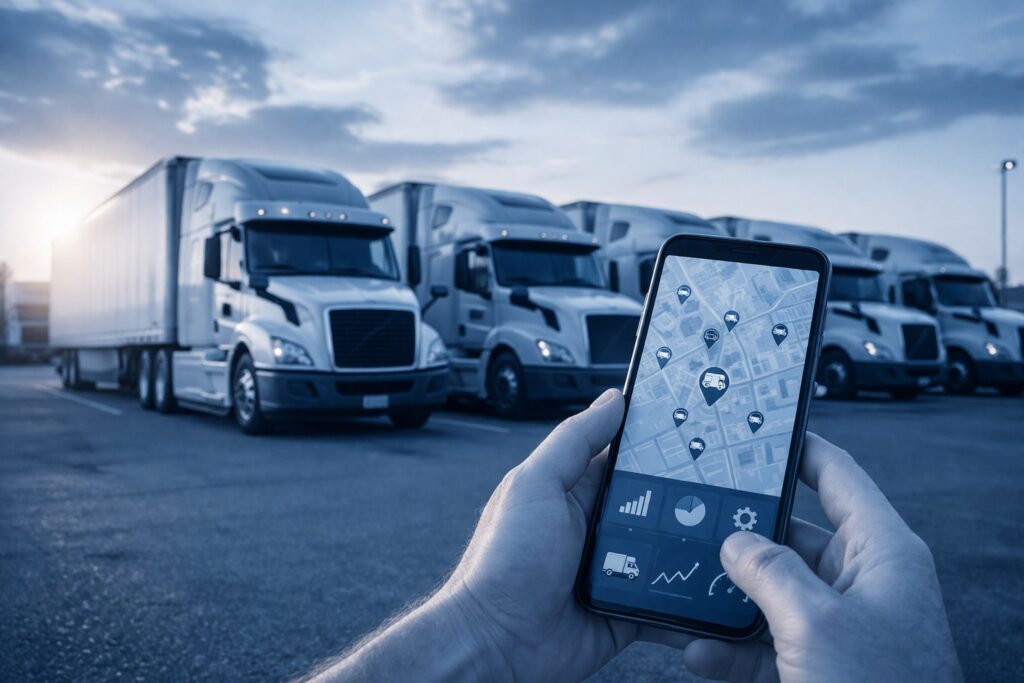
GPS vehicle tracking uses hardware installed in a vehicle to report its location, movement, speed, route history, and other driving data. The device sends that information to software that managers can view on a desktop or mobile dashboard.
At the most basic level, GPS tracking tells you where a vehicle is and where it has been. A stronger system does more than that. It can also show idle time, harsh braking, rapid acceleration, geofence alerts, route deviations, stop history, and engine-related data.
That is where fleet management enters the picture.
Fleet management is the broader process of overseeing vehicles, drivers, maintenance, safety, routing, compliance, fuel use, and business performance. GPS tracking supports that process by giving managers the visibility they need to act quickly and plan better.
Think of GPS tracking as the foundation, and fleet management as the full operating system around it.
A good fleet management platform helps businesses:
That combination matters because location alone does not fix operational problems. Useful reporting and alerts do.
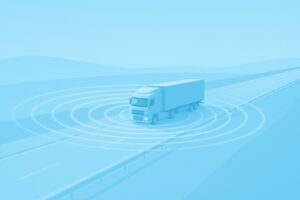
The system starts with a tracking device installed in a vehicle. That device connects to GPS satellites to calculate location. It then sends data through a cellular or network connection to a software platform.
Managers can log into that platform and see:
Some systems also integrate with dash cams, ELD tools, reefer temperature monitors, and engine diagnostics. That gives the fleet a more complete operating view.
For a trucking business, that can mean knowing more than where a truck is. It can also mean if it stayed on route. It can mean if it sat too long at a stop.
It can mean that it triggered a safety event. It can mean that it needs service soon.
Most businesses start looking at fleet tracking for one reason: they want more control. Maybe deliveries run late.
Maybe fuel costs keep climbing.
Maybe customers ask for ETAs that dispatch cannot confirm.
Maybe a company wants to improve accountability without adding extra admin work.
GPS vehicle tracking and fleet management help solve those problems in a practical way.
You can see where your vehicles are in real time. That helps dispatchers adjust routes, respond to delays, and answer customer questions with confidence.
Fuel often disappears through excessive idling, poor routing, speeding, and unnecessary trips. Tracking software helps you spot those patterns and correct them.
Managers can review driving habits and identify risky behavior such as harsh braking, sharp turns, speeding, or unauthorized stops. That supports better coaching and safer performance.
When a customer asks where a shipment or service vehicle is, you can respond with real information instead of rough guesses. That builds trust.
Some platforms support maintenance reminders based on time, mileage, or engine data. That helps reduce breakdowns and avoid costly disruptions.
If a vehicle moves outside approved hours or leaves a set area, the system can send an alert. That helps protect valuable assets and reduce theft risk.
Not every fleet needs the same features. A local plumbing company has different needs than a long haul trucking business. That said, several features matter across almost every operation.
Here is a quick breakdown:
| Feature | Why It Matters |
|---|---|
| Real time GPS tracking | Shows exact vehicle location and status |
| Route history | Helps review productivity and verify trips |
| Geofencing | Sends alerts when vehicles enter or leave areas |
| Idle time reporting | Helps reduce wasted fuel and time |
| Driver behavior monitoring | Supports coaching and safety programs |
| Maintenance alerts | Helps prevent breakdowns and missed service |
| Mobile access | Gives managers and dispatchers control on the go |
| Dash cam integration | Adds video evidence and stronger safety review |
| ELD integration | Supports hours of service workflows |
| Temperature monitoring | Real-time GPS tracking |
For fleets in the trucking industry, the right mix often includes GPS tracking, driver behavior reporting, maintenance scheduling, and compliance-related tools.
Trucking fleets face pressure from every direction. Fuel is expensive. Schedules stay tight. Customers expect updates. Breakdowns hurt revenue. Safety issues can damage both operations and reputation.
GPS vehicle tracking and fleet management help trucking companies respond to those pressures more effectively.
For example, a dispatcher can reroute a truck around traffic or delays rather than waiting for a problem to worsen. A fleet manager can identify which vehicles idle excessively and coach drivers before fuel costs spike further. A business owner can review route efficiency and compare performance across vehicles or lanes.
For fleets that handle temperature-sensitive freight, tracking tools can work alongside reefer monitoring systems. That creates better oversight and stronger protection for loads that depend on strict conditions.
For fleets with compliance needs, software can also support better record keeping, clearer vehicle activity logs, and more consistent oversight of operations.
Yes, but only if a business uses the data well.
Tracking alone does not create savings. The savings come from action. When managers use reporting to fix inefficient routes, reduce idle time, improve dispatch, or prevent missed maintenance, the cost benefits become real.
Common areas where fleets save money include:
Many businesses also find value in time savings. Dispatch spends less time calling drivers for updates. Managers spend less time checking trip details manually. Customer service teams can answer status questions faster.
Some companies buy a tracking system and expect instant results. That usually leads to disappointment. The tool matters, but rollout matters too.
Here are common mistakes to avoid:
The cheapest option may only show the location and little else. If your business needs better reporting, maintenance support, or safety tools, a low-cost platform may fall short fast.
If dispatchers, managers, or drivers find the platform confusing, adoption will suffer. A clean dashboard and simple reporting matter more than flashy claims.
You need to know what problem you want to solve.
Do you want to reduce fuel costs? Improve ETA accuracy? Support safety coaching? Protect equipment? Clear goals help you choose the right features.
If managers do not know how to read reports or respond to alerts, the data will sit unused. Training makes the system valuable.
If the platform shows excessive idle time, route waste, or harsh driving, someone needs to respond. Otherwise, nothing changes.
Start with the size of your fleet, your operating model, and your biggest pain points.
Ask questions like:
Then compare vendors based on real use cases, not just sales language.
A good system should fit the way your fleet works today while giving you room to grow. It should also deliver reliable data, clear reporting, and support to help your team use the platform effectively.
Yes, especially when a small fleet needs better control without adding more admin work.
A company with five or ten vehicles may not consider itself a large fleet, but even a small operation can lose money due to poor routing, fuel waste, missed maintenance, and limited visibility. A strong tracking system helps a smaller business operate with more discipline and confidence.
That matters even more when each vehicle plays a big role in revenue. If one truck goes down or one delivery goes wrong, the impact is felt more acutely in a small fleet than in a large one.
GPS vehicle tracking and fleet management provide businesses with a smarter way to manage vehicles, drivers, and daily operations. The real value goes far beyond a map. A good system helps you improve visibility, control costs, support safer driving, protect assets, and respond faster when problems show up.
For trucking and commercial fleets, that kind of visibility is no longer a luxury. It is part of running a tighter, more reliable business.
The right platform should help you answer simple but important questions every day: Where is the vehicle? Is the route efficient?
Is the driver safe? Is the equipment healthy? Can we serve the customer better?
When you can answer those questions quickly and clearly, your fleet gets stronger.