A vehicle tracking and camera system combines GPS tracking with onboard video to give fleets better visibility, stronger safety oversight, and faster decision-making. It helps managers see where vehicles are, review what happened on the road, coach drivers, protect assets, and respond to disputes with real data instead of guesswork.
A vehicle-tracking and camera system uses two core tools. The first tool tracks the vehicle through GPS. The second tool records the road, the cab, or both through dash cameras. When you combine them, you get location data plus visual proof.
That matters because location alone does not tell the full story. A tracking device may show that a truck stopped hard or changed speed suddenly. A camera system can show why that happened. Maybe traffic stopped without warning. Maybe another driver cut in front of the truck. Maybe the driver made a poor decision. Video adds context.
For fleets, that extra context can improve safety, reduce confusion, and support better operations.
If you want a broader look at GPS tools, read GPS Vehicle Tracking and Fleet Management. If you want to explore camera options in more detail, visit Dash Cams.
Businesses use these systems to gain more control over what happens on the road. They need accurate vehicle location data, stronger driver accountability, and a clear way to review incidents. That is hard to do with phone calls, manual logs, or basic tracking alone.
A combined system helps with:
For small fleets, these tools help owners stay informed without having to chase drivers for updates all day. For larger fleets, they support more consistent oversight across many vehicles and drivers.
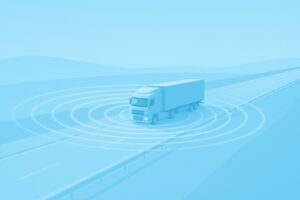
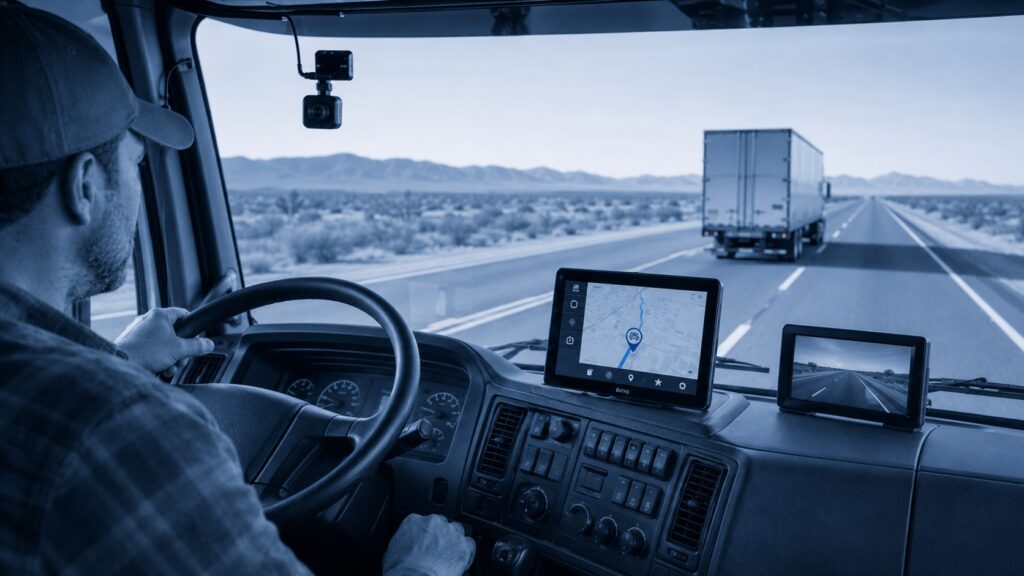
The system starts with installed hardware. A GPS device collects vehicle data such as location, route history, speed, idle time, and movement. A camera records road footage, cab footage, or both. The system sends that information to cloud software, where managers can review it from a desktop or mobile device.
Depending on the setup, the platform may show:
Some systems also connect to dash cams with AI features. Those features may detect tailgating, lane drift, distracted driving, or phone use. That gives fleets a stronger safety layer.
GPS tracking helps you know where a vehicle is. A camera system helps you see what happened. Together, they turn raw data into a clearer story.
For example, GPS may show a hard braking event at 3:15 PM on a specific route. Without video, a manager may not know if the driver caused it or reacted to danger. With video, the manager can review the event and understand it quickly.
That difference matters in several situations:
A combined system saves time by reducing guesswork. It also helps protect good drivers from unfair blame.
Safety is one of the strongest reasons to invest in vehicle tracking and cameras. Fleets need tools that help them spot risk early and respond before problems grow.
Here are the main safety benefits:
Managers can use tracking data and video clips to coach drivers with real examples. That makes feedback more specific and more useful.
When a safety event occurs, the fleet can review the time, route, speed, and video without having to dig through scattered records.
Video evidence can help fleets challenge false claims and defend drivers when another party caused the problem.
Drivers often become more aware of habits like speeding, distracted driving, and hard braking when they know the system records both data and video.
A smart rollout can foster a stronger safety culture, especially when the fleet uses the system for coaching and protection rather than punishment alone.
A vehicle tracking and camera system is not just a safety tool. It also helps with daily operations. Dispatchers can locate vehicles faster. Managers can review route efficiency. Owners can spot waste, delays, and patterns that hurt profit.
Operational benefits often include:
For example, if a customer asks when a service truck will arrive, dispatch can check the platform and provide an accurate update. If a delivery runs late, the fleet can review the route and video to understand why.
That kind of visibility improves both internal operations and customer trust.
Almost any business that relies on vehicles can benefit from a vehicle-tracking and camera system. The exact use case changes by industry, but the core value stays the same.
Common examples include:
For trucking fleets, the system can support long route visibility, driver coaching, and incident review. For local service fleets, it can improve dispatch speed, customer communication, and proof of arrival. For reefer operations, it can work alongside temperature and fleet visibility tools to support better oversight.
Not every system offers the same depth. Some tools only provide basic location and simple video storage. Others offer event-triggered video, AI alerts, cloud access, and detailed reporting.
Look for features that match your real needs.
| Feature | Why It Matters |
|---|---|
| Event-triggered video | Shows current vehicle location and movement |
| Route history | Helps review trips and verify stops |
| Forward-facing camera | Saves clips tied to safety events |
| In a cab camera | Records road conditions and traffic events |
| In cab camera | Supports driver coaching and policy review |
| Geofence alerts | Flags entry and exit from key areas |
| Driver behavior alerts | Helps identify speeding, harsh braking, and risky habits |
| Cloud storage | Makes clips easier to access and manage |
| Mobile access | Lets managers review events from anywhere |
| Reporting dashboard | Turns daily data into usable trends |
A good system should make the information easy to find. If the platform feels confusing, the fleet may never use it well.
Many fleets buy a system with good intentions, then struggle because the rollout was weak. The technology matters, but the process matters just as much.
Avoid these common mistakes:
A cheaper product may lack reliable video access, useful reports, or strong support. That can create more frustration than value.
Drivers need to understand the purpose of the system. If the rollout feels secretive or hostile, trust will drop fast.
A fleet should define what cameras record, when review happens, and how the company uses footage. Clear rules help prevent confusion.
If the platform flags speeding, unsafe turns, or repeated route waste, managers need to respond. Data alone does not improve anything.
Some fleets buy every add-on at once, then use only a fraction of the system. Start with your biggest needs and grow from there.
Start with the problem you want to solve. Do you need better route visibility? Stronger accident defense? Safer driving habits? Proof of delivery? Clearer customer updates? Your answer should shape the system you choose.
Ask practical questions:
The best system should fit your workflow, not create extra chaos. It should help managers make faster decisions and help drivers do their jobs with more clarity.
For many fleets, yes. The combination of GPS data and video creates a stronger operating picture than either tool alone. It can improve safety, reduce disputes, support better coaching, and help businesses respond faster when something goes wrong.
The real value comes from how the fleet uses the system. If managers review events, coach drivers, improve routes, and respond to patterns, the system becomes a real business tool. If the data sits untouched, the value stays limited.
A strong fleet does not rely on guesswork. It relies on visibility, accountability, and fast decisions. That is exactly where a vehicle tracking and camera system helps most.
A vehicle-tracking and camera system gives fleets more than just a map and a video feed. It gives them context. That context helps businesses protect drivers, improve service, review incidents more quickly, and run daily operations with greater confidence.
For growing fleets, it can create a better structure. For larger fleets, it can strengthen consistency at scale. Either way, the goal stays the same: see more, know more, and manage the road with fewer blind spots.
If you want to build a stronger fleet visibility setup, start by exploring GPS Vehicle Tracking and Fleet Management and Dash Cams.