
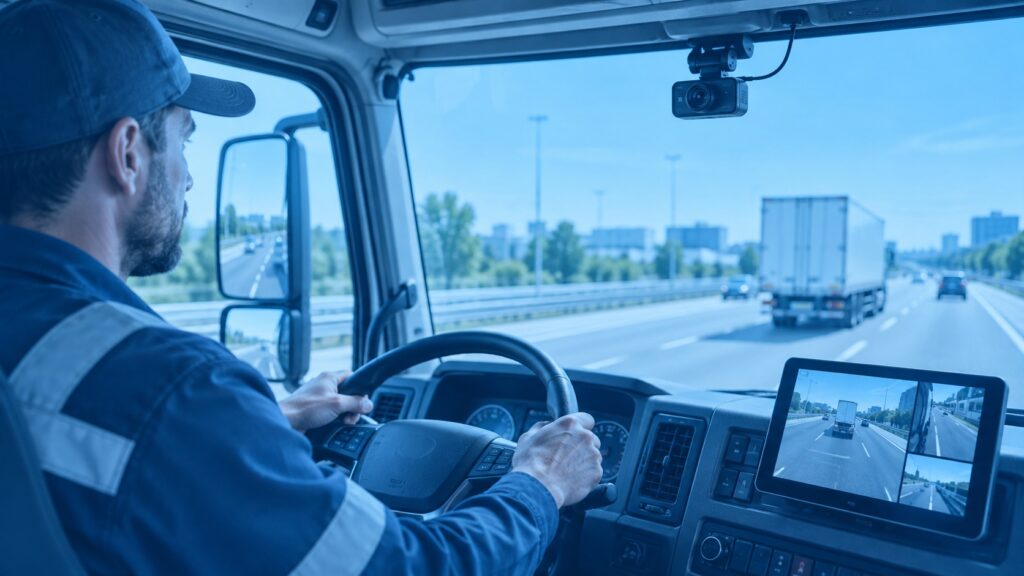
Truck cameras have become a practical upgrade for owner-operators, delivery businesses, service fleets, and long-haul transportation teams that want better visibility on the road and around their vehicles. The right setup can help drivers back up with more confidence, document incidents, monitor cargo areas, and give fleet managers a clearer view of daily operations. Whether you need a simple fleet dash cam or a broader monitoring system, modern camera technology can support safer, more accountable driving.
Truck cameras are worth installing now because they solve several everyday fleet problems at once: limited visibility, unclear accident details, driver coaching gaps, and vehicle security concerns. Instead of relying only on driver memory or third-party reports after an incident, camera footage can provide useful context. For businesses, that can mean faster decisions, better training conversations, and stronger protection for drivers, vehicles, and cargo.
The value is not limited to large fleets. A single work truck, box truck, tow truck, dump truck, or pickup used for business can benefit from dash cameras, rear-facing cameras, and interior or cargo monitoring. The goal is simple: help drivers see more, reduce uncertainty, and keep better records when something happens.
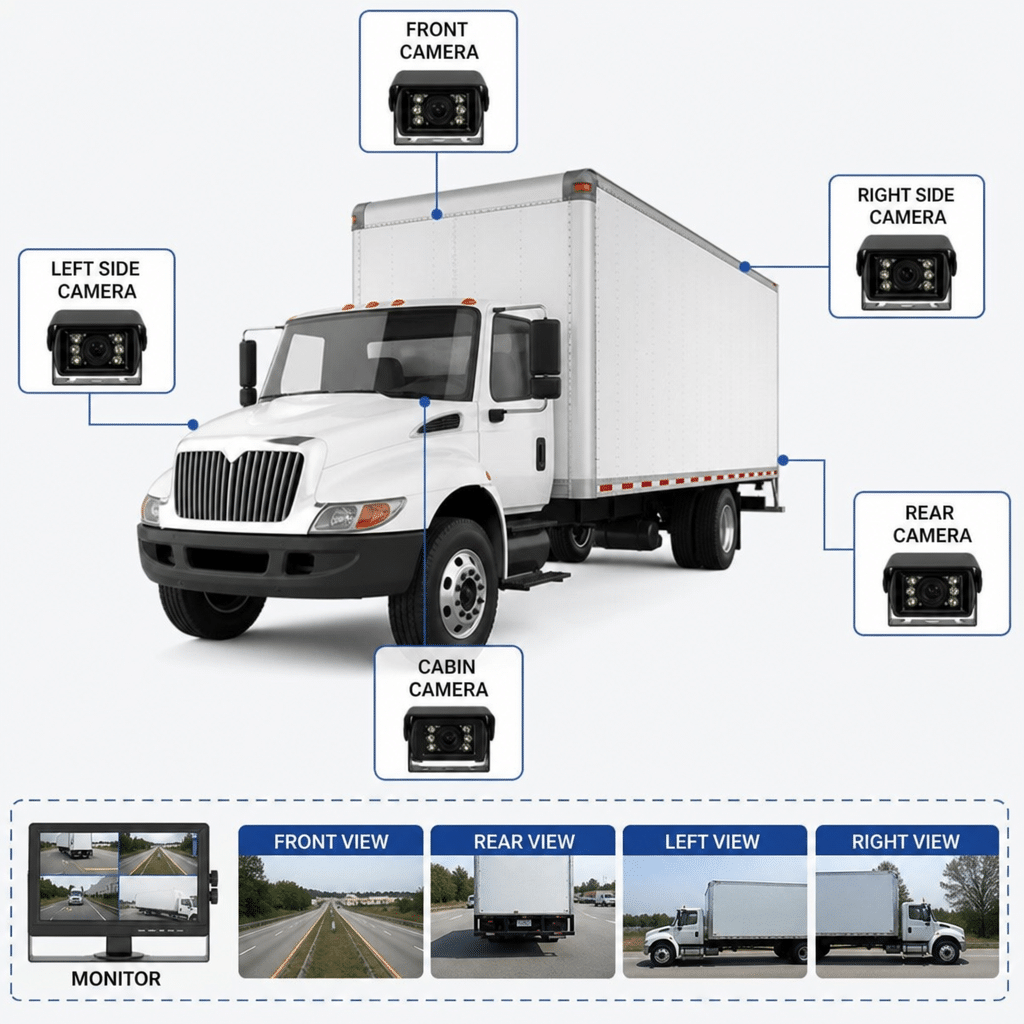
Large vehicles naturally have blind spots. Even experienced drivers can struggle with tight loading docks, crowded parking lots, low-light job sites, and busy urban streets. Truck backup cameras are especially helpful because they give drivers a clearer view of the area behind the vehicle before reversing.
Forward-facing fleet dashcams can also support better awareness by recording the road ahead. Side and rear cameras may help document lane changes, close following, cut-ins, and backing situations. When combined, these camera angles create a fuller picture of what is happening around the vehicle.
Useful visibility improvements may include:
For drivers, the benefit is immediate. Cameras do not replace mirrors, training, or careful driving, but they can add another layer of information when visibility matters most.
Good fleet camera solutions are not only about recording accidents. They can help managers spot patterns before they become expensive problems. If a fleet sees repeated harsh braking, frequent close-following, distracted behavior, or risky reversing, managers can use camera context to coach drivers more fairly and specifically.
This is where truck driver cameras can become a training tool, not just a surveillance device. A short video clip is often easier to discuss than a vague report. It shows what happened before, during, and after an event, which helps separate unavoidable road conditions from habits that need improvement.
To make camera-based coaching more constructive, fleets should:
When managed well, fleet dash cameras can strengthen trust instead of weakening it. Drivers gain documentation when they do the right thing, and managers gain a clearer way to support safer decisions.
After a road incident, details can be disputed quickly. One driver may describe a lane change one way, a witness may remember another version, and damage patterns may not tell the full story. Fleet dash cam systems can help preserve the sequence of events, so businesses are not forced to rely only on incomplete accounts.
A fleet dashcam may capture the lead-up to a crash, road conditions, traffic signals, vehicle position, and other important context. Rear or side truck monitoring cameras can add detail when an incident happens outside the front view. This can be especially useful for commercial vehicles that spend long hours in traffic, stop frequently, or operate in busy delivery zones.
Clear video records can help with:
The practical advantage is speed. Instead of spending days reconstructing an event, managers can often review relevant footage and make a more informed next move.
The best camera system depends on the vehicle, the routes, the risks, and the level of visibility you need. Some businesses only need a forward-facing fleet dash cam, while others need multi-camera truck surveillance systems that include front, rear, side, interior, and cargo views. The right choice solves your specific visibility and documentation gaps without adding unnecessary complexity.
Front-facing dash cameras for trucks record the road ahead. They are commonly used to document traffic events, sudden stops, unsafe cut-ins, road hazards, and collisions. For many small fleets, this is the first and most practical upgrade because installation is usually straightforward and the footage is easy to understand.
Truck driver cameras may include a road-facing lens and an interior-facing lens. This setup can help fleets understand both the outside event and the driver response. It may help with coaching on distraction, seat belt use, fatigue indicators, or passenger interactions, depending on how the fleet operates and what policies are in place.
Backup cameras are ideal for trucks that reverse often or operate in tight areas. They can help reduce blind spots behind the truck and improve driver confidence during docking, parking, and job-site maneuvering. For box trucks, utility trucks, trailers, and service vehicles, rear visibility can be one of the most valuable safety upgrades.
Truck monitoring cameras and truck security cameras can be arranged around the vehicle to cover cargo doors, side panels, storage areas, tool compartments, or blind spots. These systems may help businesses that carry valuable equipment, park vehicles overnight, or need better awareness during loading and unloading.
If you are comparing products, you can explore available options on the Falcon Zoom shop or review dedicated dash camera options.
Not every risk happens while driving. Trucks may sit at job sites, warehouses, hotels, rest stops, customer locations, or company lots. During that downtime, truck security cameras can help document break-ins, attempted theft, vandalism, fuel tampering, or unauthorized access to cargo areas.
For service businesses, even one truck may carry tools, parts, electronics, or specialized equipment that are difficult to replace quickly. For delivery and transport fleets, cargo security and chain-of-custody concerns can matter as much as road safety. A well-planned camera setup can discourage unwanted activity and provide useful footage if something does occur.
Security-focused systems may include motion-triggered recording, parking monitoring, night vision features, or multiple camera views. The best configuration depends on where vehicles are parked, what they carry, and how often they operate after dark.
Not all truck camera suppliers offer the same level of product quality, support, or system fit. A camera that works well in a personal car may not suit a commercial truck exposed to vibration, long operating hours, temperature changes, dust, and frequent starts and stops. Fleets should look for equipment designed around real vehicle use, not just basic recording.
Before buying, consider these factors:
A dependable supplier should help match the product to the vehicle and use case. For example, a landscaping company, regional delivery fleet, towing company, and long-haul trucking operation may all need different camera placements.
Installing fleet dash cams or broader fleet dash camera systems works best when you plan the process before mounting the first camera. A clear checklist helps prevent blind spots, wiring issues, inconsistent policies, and driver confusion.
Use this as a starting point:
This preparation makes the technology more useful from day one. It also helps drivers understand that the system is part of a larger safety and accountability plan, not a random add-on.
The biggest benefit of truck cameras is not just having video. It is having more confidence in daily decisions. Drivers can maneuver with better visibility, managers can review incidents with more context, and businesses can protect vehicles and equipment with stronger documentation.
Fleet dash cams, backup cameras, and truck surveillance systems each play a different role, but together they create a more informed operation. For small businesses, that can mean fewer unknowns. For larger fleets, it can mean more consistent safety practices across many drivers and vehicles.
If your trucks are central to your business, cameras are no longer just a nice accessory. They are a practical tool for visibility, accountability, driver support, and vehicle protection. Start with the risks you face most often, choose equipment that fits your trucks, and build a camera setup that helps your team operate with clarity every day.